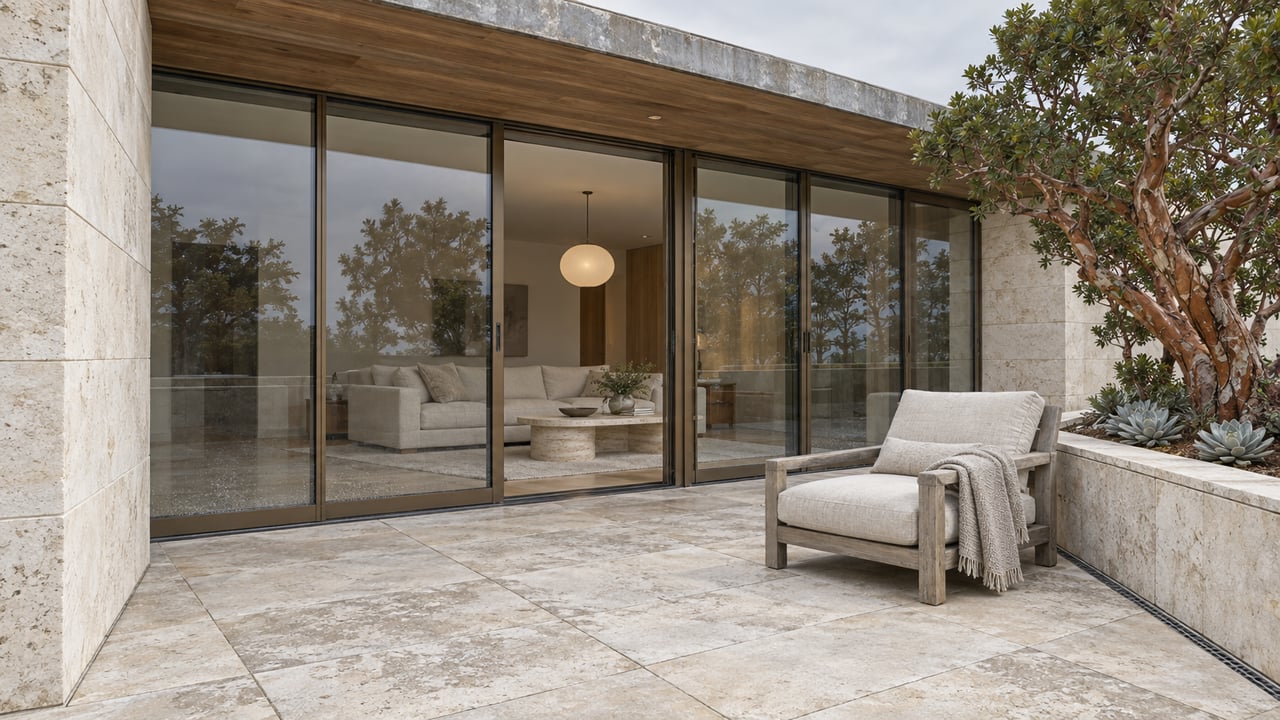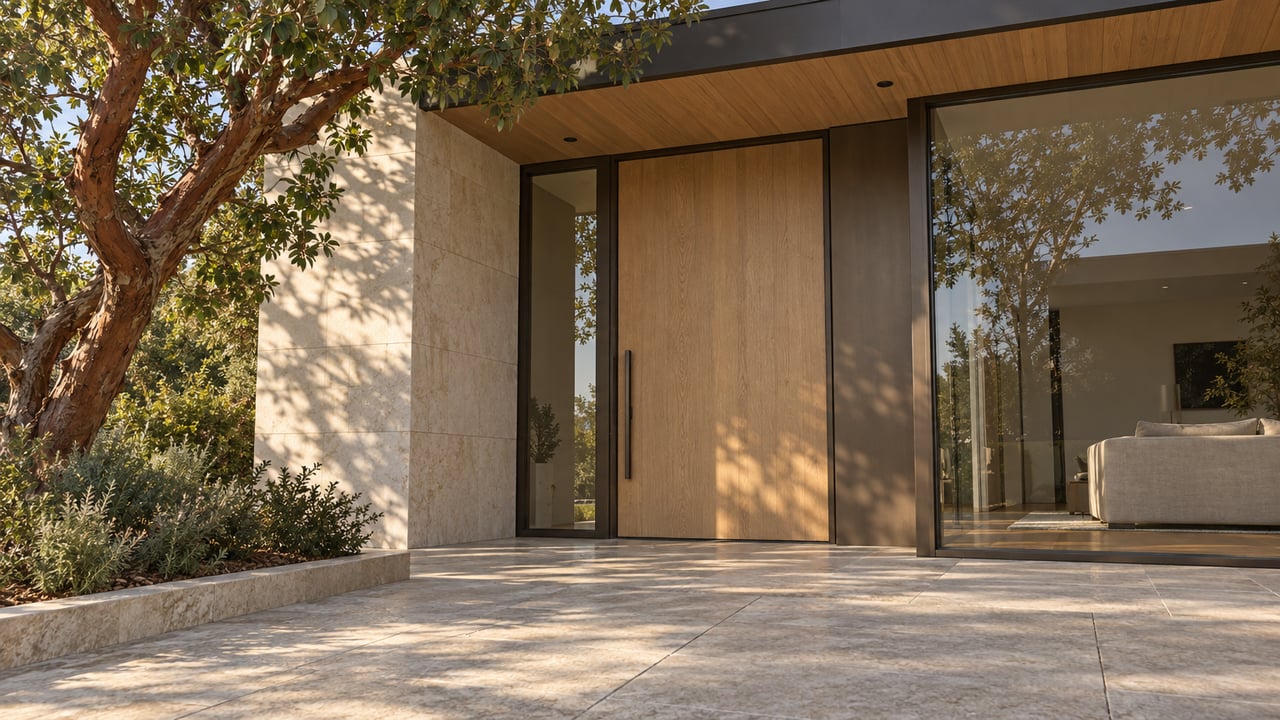
Picture two burned lots in Pacific Palisades that each sell for $6.6 million. If Proposition TE passes on November 3, the first sale could owe nothing under Measure ULA and the second could owe $264,000. The land, the street and the price would be the same. The only difference is who signs the deed. The measure's eligibility rules make that difference matter. In the coming weeks it will affect lot pricing, the order in which owners list, and how buyers frame their offers.
The vote is less than two weeks away. Owners and trustees weighing a sale above the threshold should understand what this measure attaches to before they set a price.
The Exemption Follows the Owner, Not the Land
Measure ULA is the City of Los Angeles transfer tax approved by voters in 2022 and collected since April 1, 2023. For transactions closing after June 30, 2026, the Los Angeles Office of Finance applies a 4% ULA tax to sales above $5,400,000 and below $10,900,000, and 5.5% to sales at $10,900,000 or more. Both rates sit on top of the City's base transfer tax of 0.45%, so the combined rates are 4.45% and 5.95%. The thresholds are adjusted each year. The prior period's figures were $5.3 million and $10.6 million.
Proposition TE would exempt a narrow set of those sales. According to the measure text, a property qualifies only if all of the following are true:
- It is residential property damaged or destroyed in the Palisades Fire, which began January 7, 2025.
- The Department of Building and Safety verifies the damage or destruction.
- The seller is the owner of record on January 7, 2025.
- The sale or transfer happens between January 7, 2025 and January 6, 2030.
- The relief is a one-time refund or exemption.
The third condition makes this a seller-specific exemption rather than a parcel-specific one. If an original owner sells a qualifying lot, the exemption is used on that sale. If the buyer later resells the same lot, or a finished home built on it, above the threshold, the ULA tax applies again in full. Only the person who owned the property when the fire began can claim the relief, and only on one sale.
What Three Recent Lot Sales Would Have Owed
The size of the stakes shows up in actual trades. In August 2026, The Real Deal reported three Palisades lot sales above the ULA threshold, each at an address where the home was completely destroyed according to the county's fire damage database. The Glenhaven and Antioch prices fall in the 4% tier under both the earlier and current thresholds. The Camarosa sale was reported only as more than $7 million, so the figures below show a minimum for that lot. They apply the published rates to the reported prices.
| Lot | Reported sale | ULA at 4% | City base tax at 0.45% |
|---|---|---|---|
| 14948 Camarosa Drive | More than $7 million, in March | At least $280,000 | At least $31,500 |
| 906 Glenhaven Drive | $6.6 million, in February | $264,000 | $29,700 |
| 15300 Antioch Street | $5.9 million, the month before the August report | $236,000 | $26,550 |
Proposition TE would affect only the middle column. Across the whole ZIP code, the stakes are larger. The same report found that 90272 had produced 147 single-family sales and $68.2 million in ULA revenue since the tax began in April 2023, based on city data through June.
Why the First Sale Carries the Value
ULA is charged on the full price, not on the amount above the threshold. Under the City's rate table, a sale at $5,400,000 pays the 0.45% base rate and no ULA. A sale one dollar higher owes 4% of the entire price, which is more than $216,000. That jump creates a pricing cliff. Sellers and buyers have responded to it.
A July 2026 Pepperdine and Beacon Economics report found visible clustering of sales just below the ULA thresholds across the City of Los Angeles, along with a smaller share of transactions above them. Compared with surrounding jurisdictions after ULA took effect, the authors estimated that monthly high-value transaction counts fell about 41%. They also estimated that sale prices for $5 million-plus single-family homes underperformed by roughly 11% to 12%. These are citywide estimates, not Palisades-specific figures. They describe the market pressure Proposition TE would remove for one group of sellers.
For a Palisades lot priced above the threshold, that pressure would apply differently depending on the seller. An original owner selling under TE could price at $6 million without the cliff affecting the result, because no ULA would be due on that one sale. Someone who bought a lot after the fire and wants to resell it would face the full cliff and the full tax. A buyer comparing the two would see the same lot from two sellers with different tax bills.
This has practical consequences for trustees, heirs and absentee owners. The measure's language centers on the owner of record on the date the fire began, and the exemption applies once. Anyone holding a damaged property through a trust, an estate or a recent transfer should have counsel compare their title history with the measure text before choosing a list price. This post is general information, not legal, tax or financial advice, and each owner should confirm their own situation with the appropriate attorney or tax professional.
Sales That Already Closed
Proposition TE also looks backward. Its text authorizes the City's Director of Finance to refund ULA already paid on eligible sales before the measure takes effect. It also says the usual time limits for refund claims do not start until the measure's effective date. The qualifying window began January 7, 2025, the day the fire started. An original owner who sold a destroyed or damaged property above the threshold before the measure takes effect could therefore be eligible for a refund if it passes.
That changes the calculation for sellers who listed before the measure reached the ballot. A sale that closed with ULA paid may still be eligible for the relief later. The text sends refunds through the City's existing refund process in Section 21.9.10 of the Municipal Code. A seller who closed during the window should keep the closing statement and the tax record together.
What the Vote Decides, and What It Leaves Alone
City Administrative Officer Matthew Szabo's financial impact statement estimates that the exemption would reduce ULA revenue by $35 million to $66 million through January 2030. The estimate is based on the average ULA paid per eligible Palisades transaction, rebuilt homes listed for sale as of July 2026, and post-fire sales of vacant parcels. The higher figure assumes the number of transactions doubles. The statement says the reduction would fall on the House LA Fund, which pays for affordable housing production and homelessness prevention, and not on the City's General Fund.
Councilmember Traci Park led the proposal. NBC Los Angeles reported that the City Council voted 13 to 1 on August 4, 2026 to place it on the ballot. The Los Angeles Times voter guide reported that Councilmember Eunisses Hernandez, who cast the one opposing vote, objected that the exemption could benefit companies, investors and owners of multiple properties rather than only owners whose primary residence was destroyed. The City Clerk's voter pamphlet lists Proposition TE among the City measures on the November 3 ballot, and the official measure materials state that no argument against it was submitted. LAist's voter guide lists Mayor Karen Bass, Park, the LA/Orange Counties Building & Construction Trades Council and the Pacific Palisades Community Council among the supporters. The measure takes effect if a majority of voters approve it.
Several things would stay the same either way. The 0.45% base transfer tax is not part of the exemption. ULA still applies to every other sale above the threshold in the City of Los Angeles, including later resales of the same Palisades lots. ULA itself stays in place. In June 2026, CalMatters reported that the Howard Jarvis Taxpayers Association withdrew its statewide measure, which would have capped municipal transfer taxes. The negotiated replacement deals with vote thresholds for certain local taxes, is not retroactive, and does not undo ULA.
Questions Owners Are Asking
Does the exemption transfer to whoever buys my lot? No. The text limits it to a sale by the owner of record on January 7, 2025, and it applies once.
What if my sale closes before the election results are certified? The text allows refunds of ULA paid on eligible sales before the measure's effective date, and the refund clock does not start until that date.
Does a home that was damaged but is still standing qualify? The measure covers residential property that was damaged or destroyed, with damage verified by the Department of Building and Safety. For the meaning of "damaged," it refers to Section 16.03 of the Municipal Code.
When does the window close? January 6, 2030.
If you own a Palisades property that may be affected by Proposition TE, or you are buying a lot from a seller who may qualify, Barbra Stover can help with the market side of the decision: timing, presentation and pricing strategy, coordinated with the attorney and tax advisor who confirm your eligibility. Let's connect before you set a number.